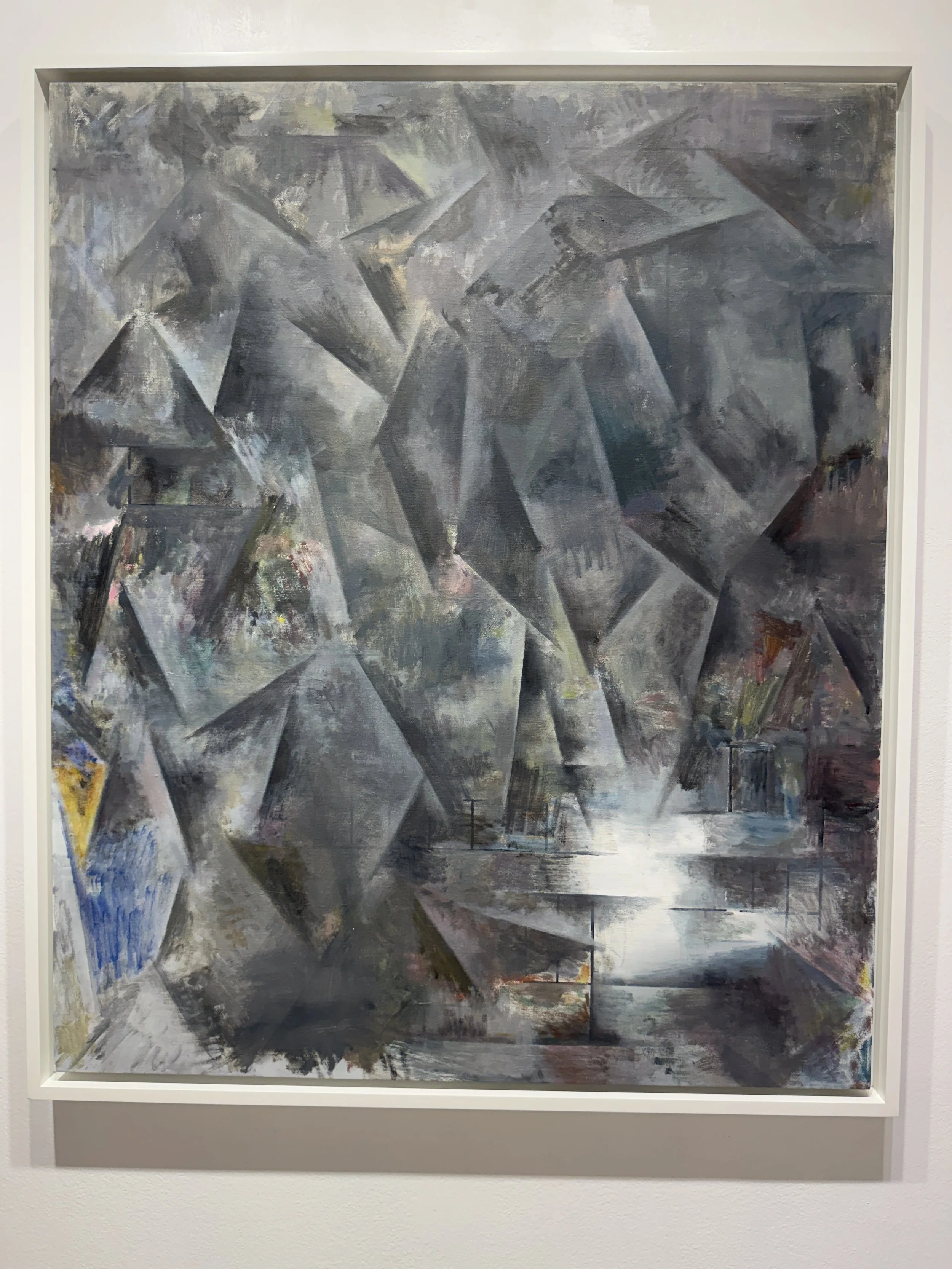
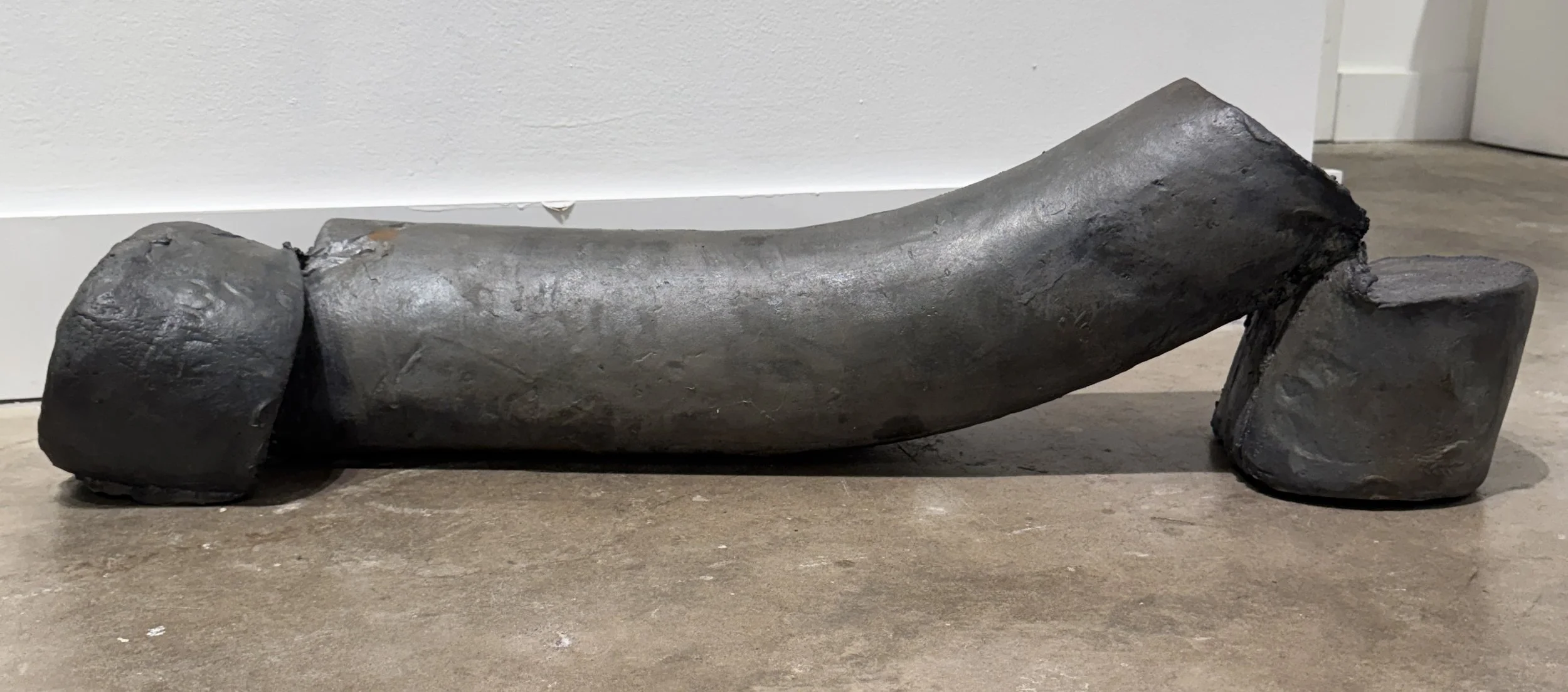
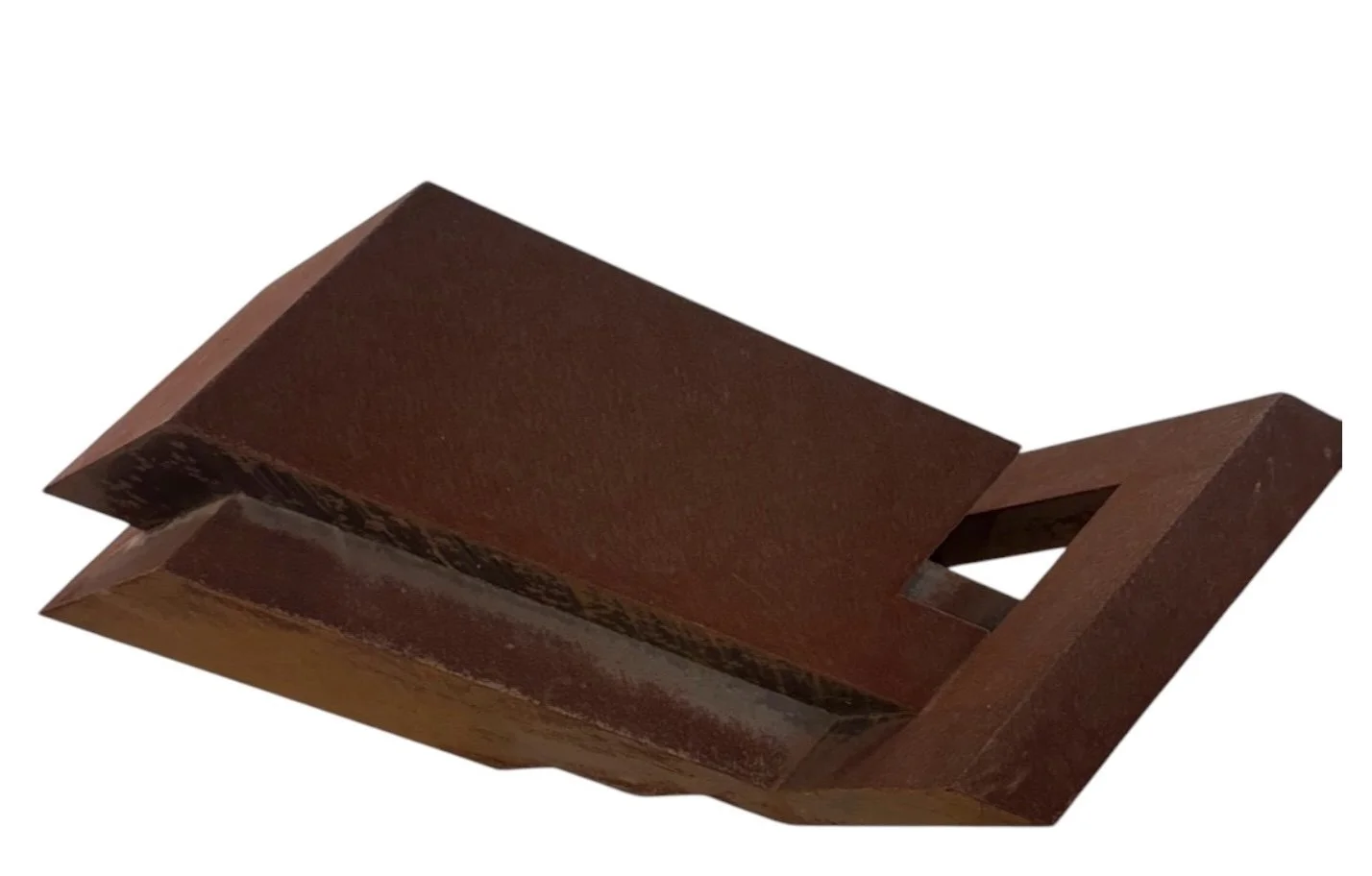
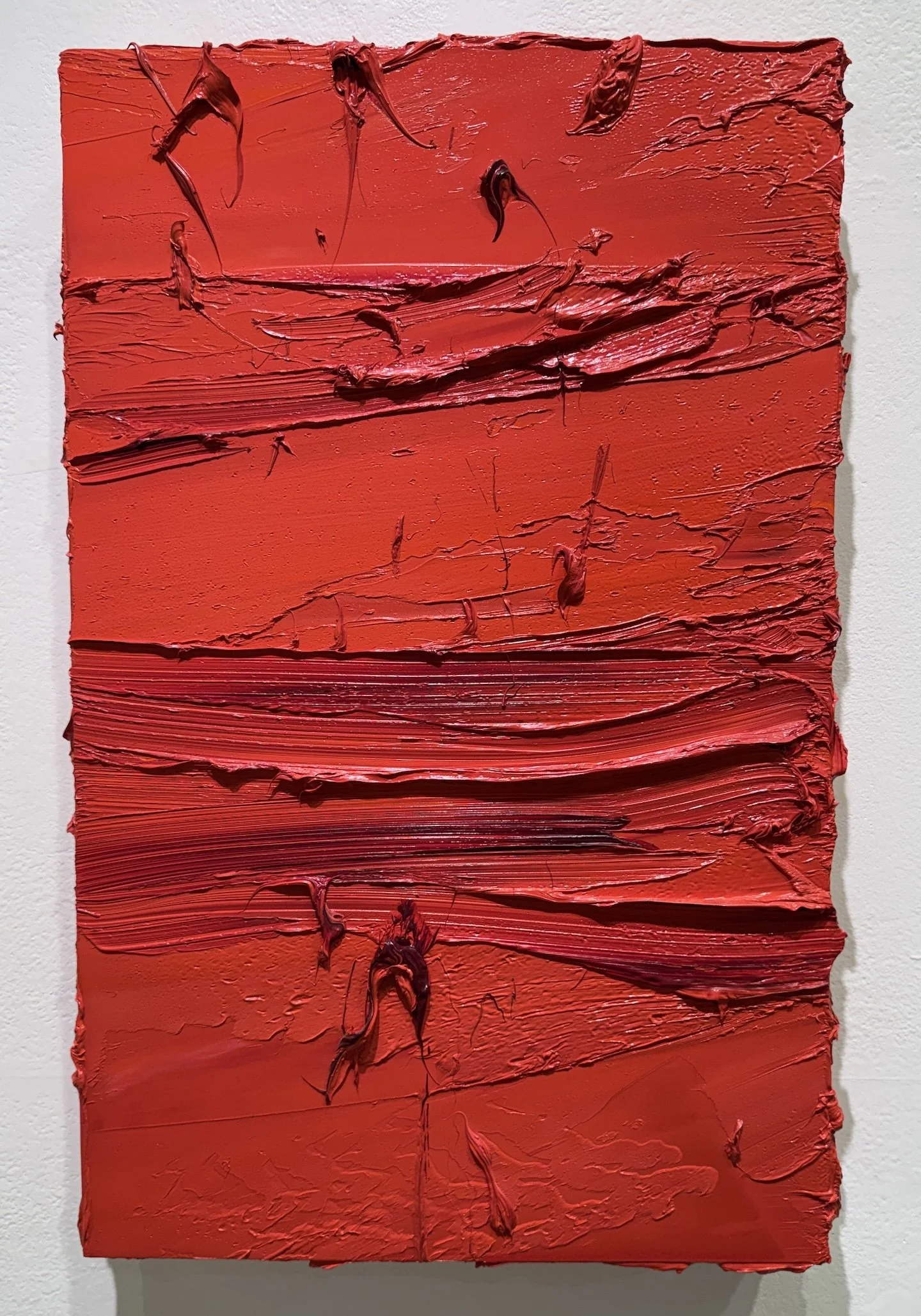
OBJECTS FROM GARY T MERCER & OTHER IMPORTANT PRIVATE COLLECTIONS
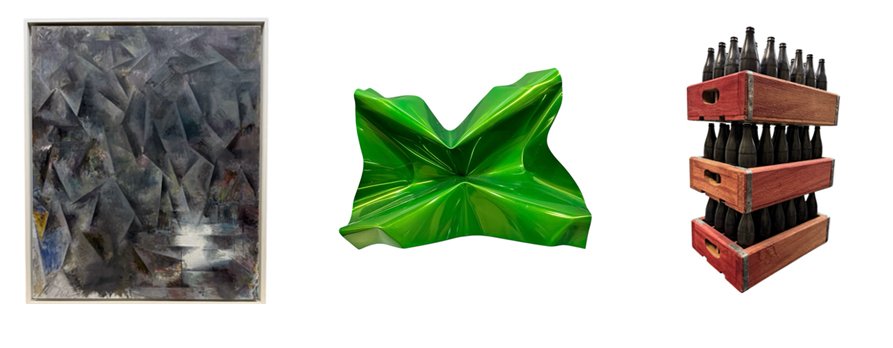
HEIDI VAUGHAN FINE ART is proud to present OBJECTS FROM GARY T MERCER & OTHER IMPORTANT PRIVATE COLLECTIONS, an exhibition of secondary market works of art primarily from the personal collection of the late Gary T Mercer, co-founder of City Kitchen, among the largest and most influential catering companies in Houston. The show, curated by Heidi Vaughan and art collector David Brown (formerly of David Brown Flowers), opens on Friday, June 26, 2026, at 11 am at 3510 Lake Street at Colquitt in the Upper Kirby Galleries in Houston's Oldest Gallery Row. A reception will take place that evening from 5 to 8. The final day of the show is August 29, 2026. Of note: All the works are priced below fair market value.
Said Alison de Lima Greene, Isabel Brown Wilson Curator of Modern and Contemporary Art at the Museum of Fine Arts, Houston, "Gary Mercer was a terrific colleague and dear friend, whose legacy lives on in many gifts to the Museum of Fine Arts, Houston, and his thoughtfully assembled personal collection. A rigorously trained musician, he brought discipline and a discerning eye - as well as an open curiosity - to every acquisition."
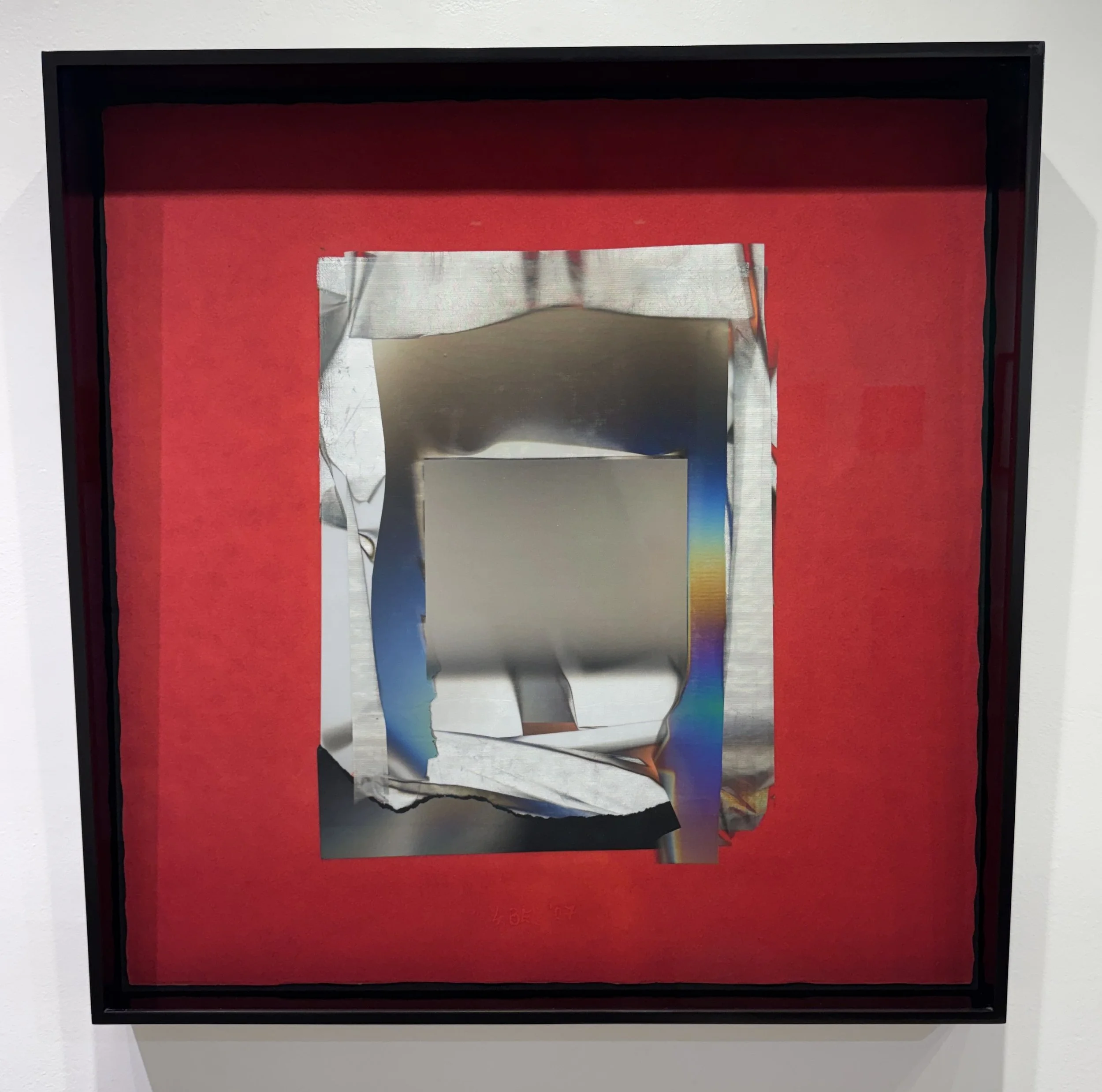
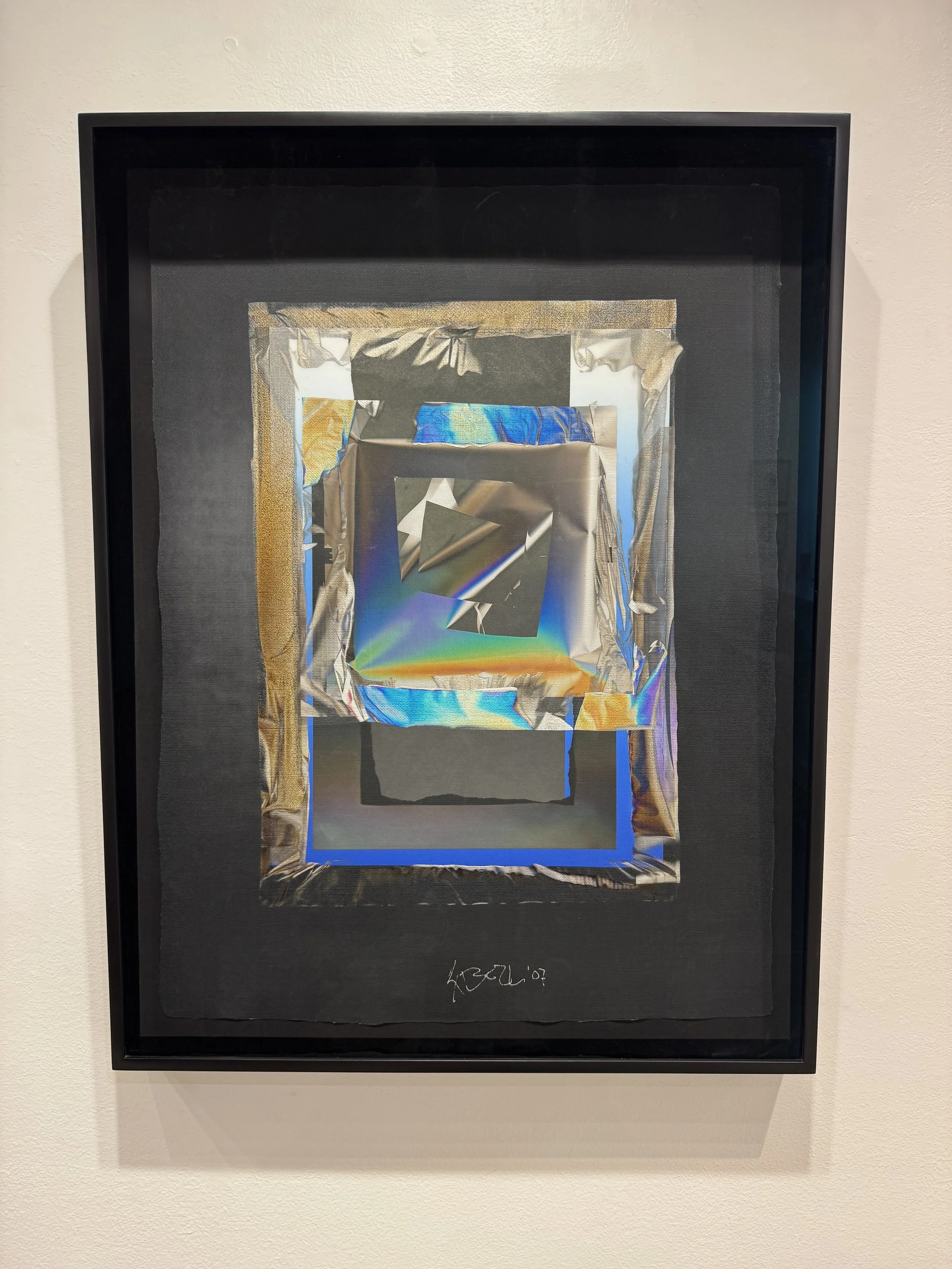
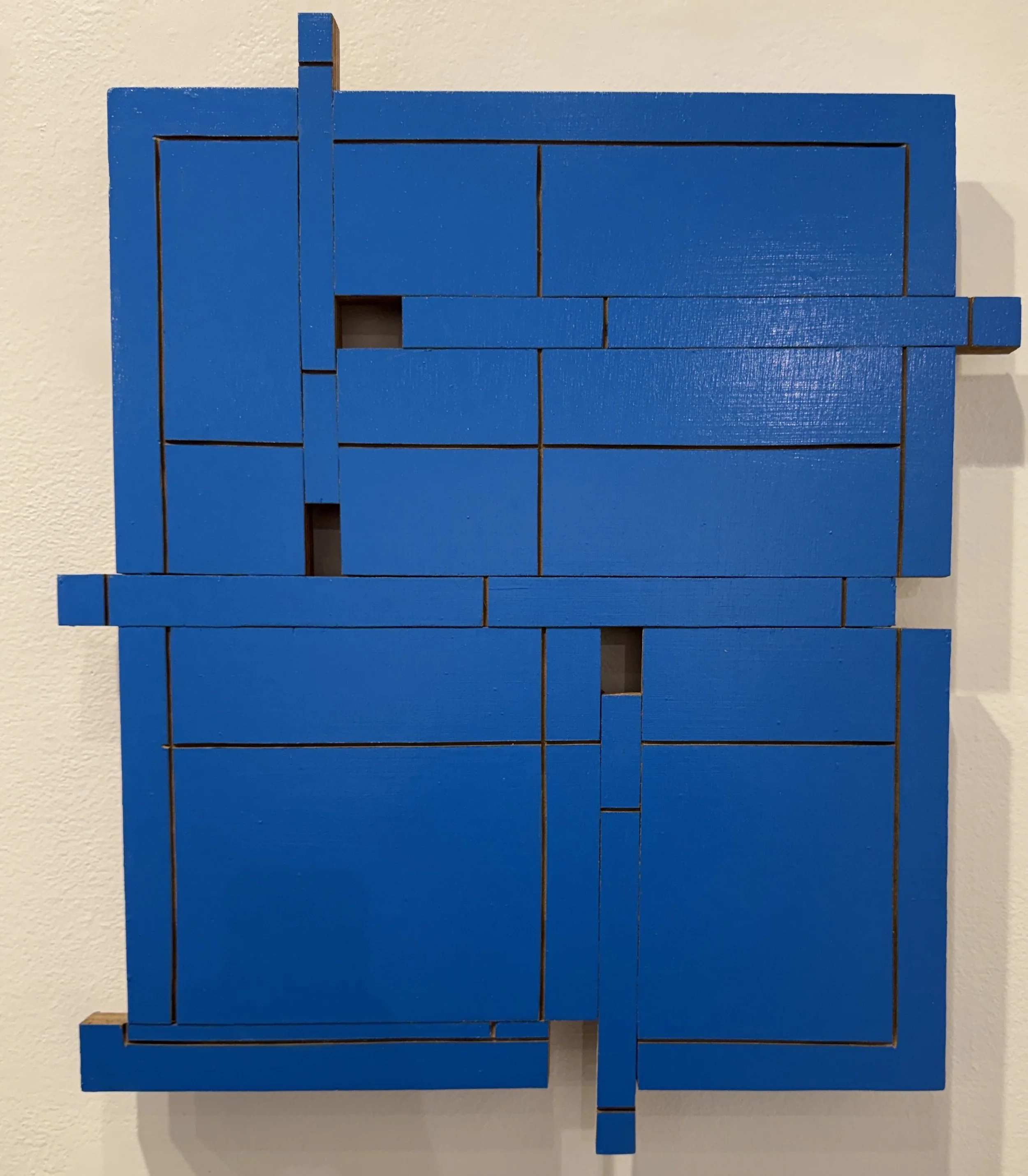
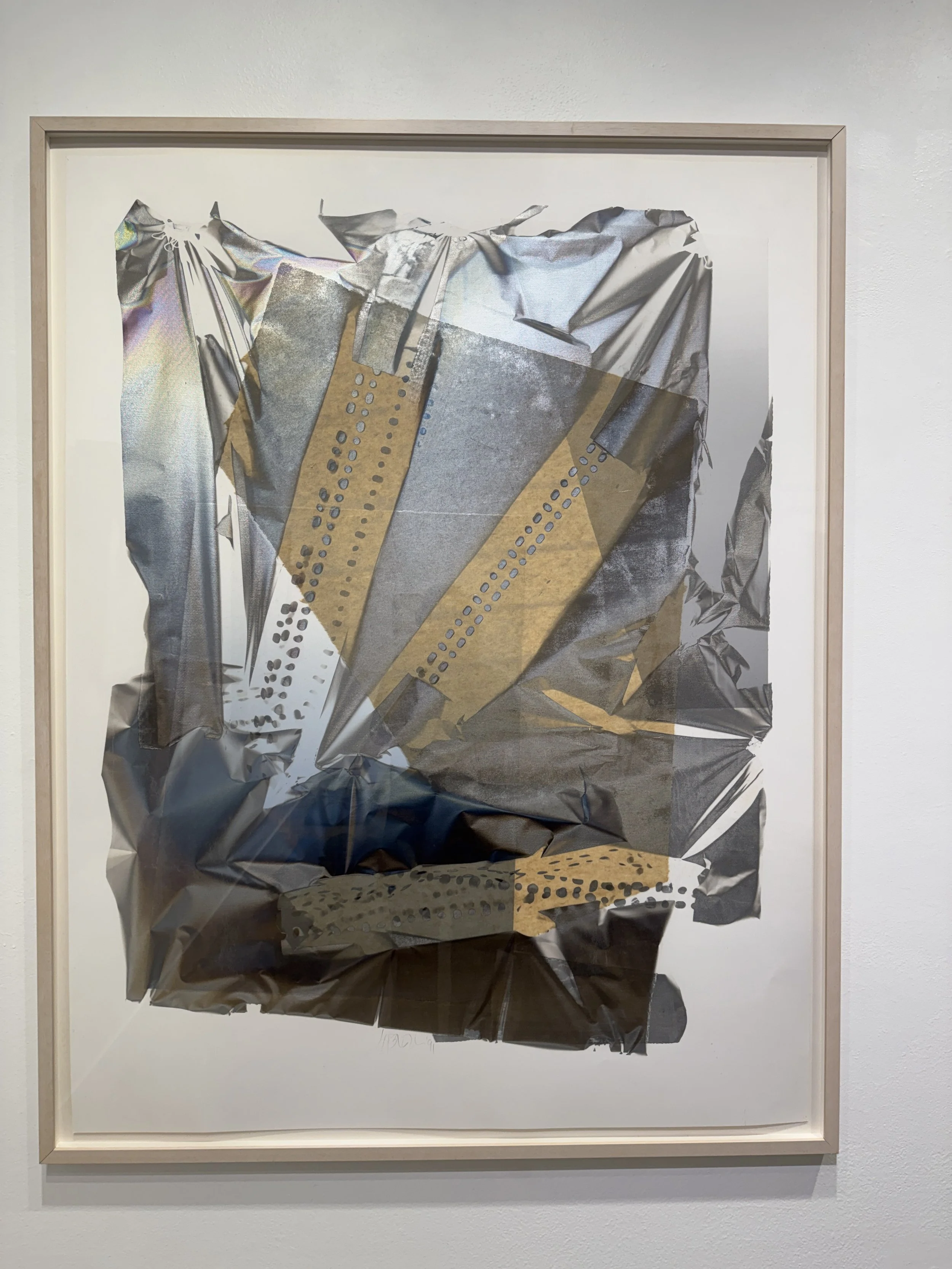
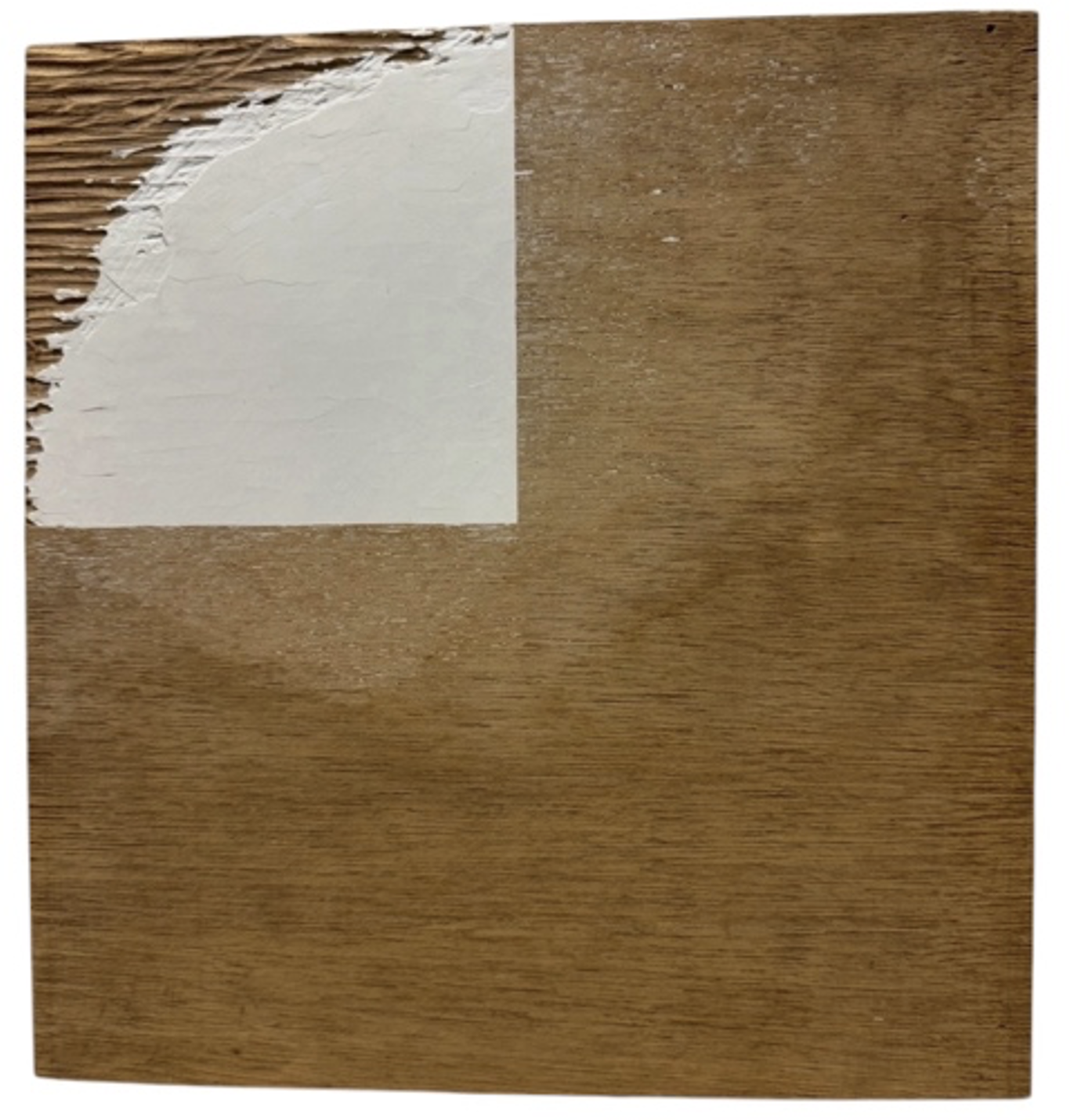
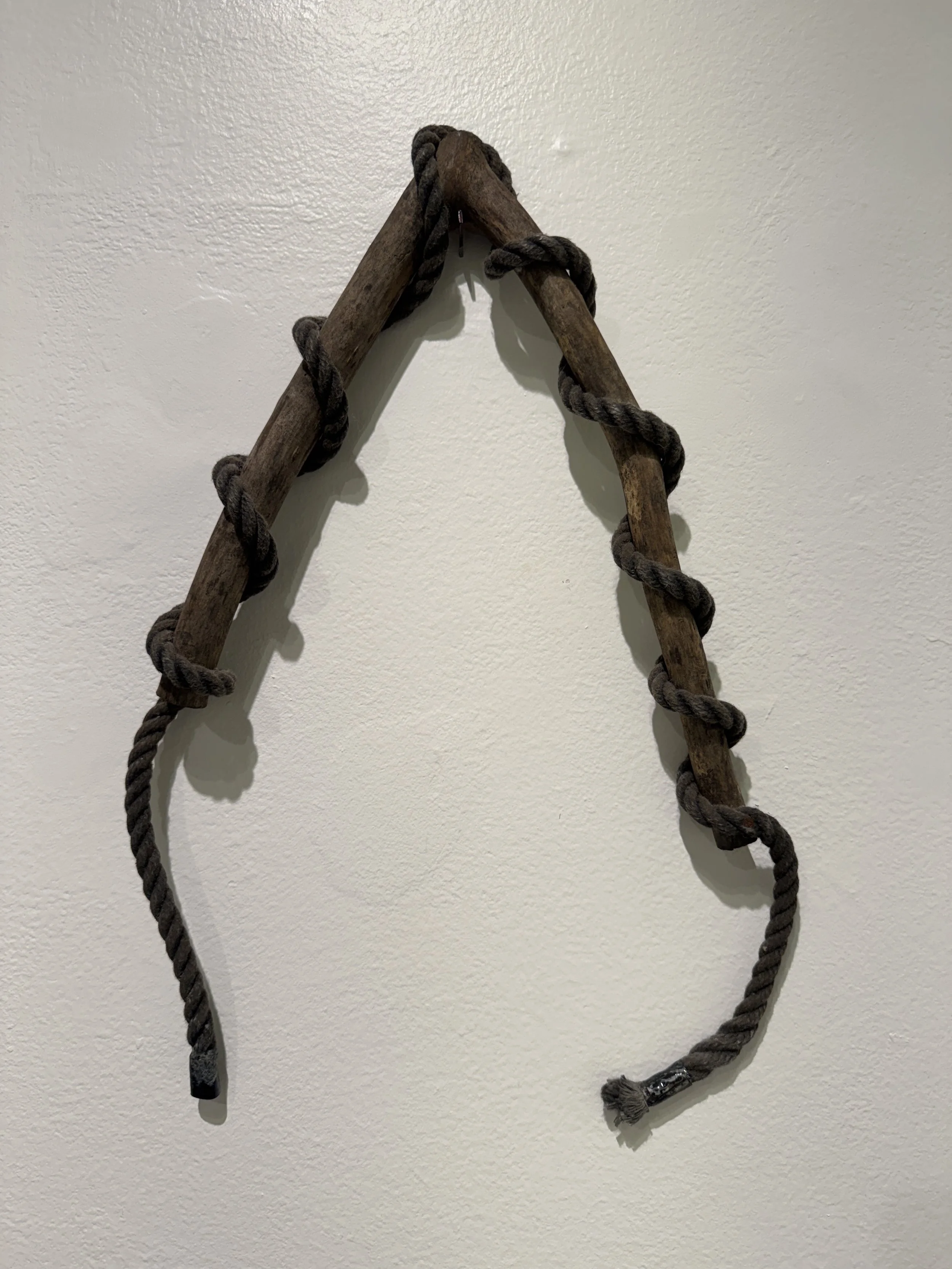
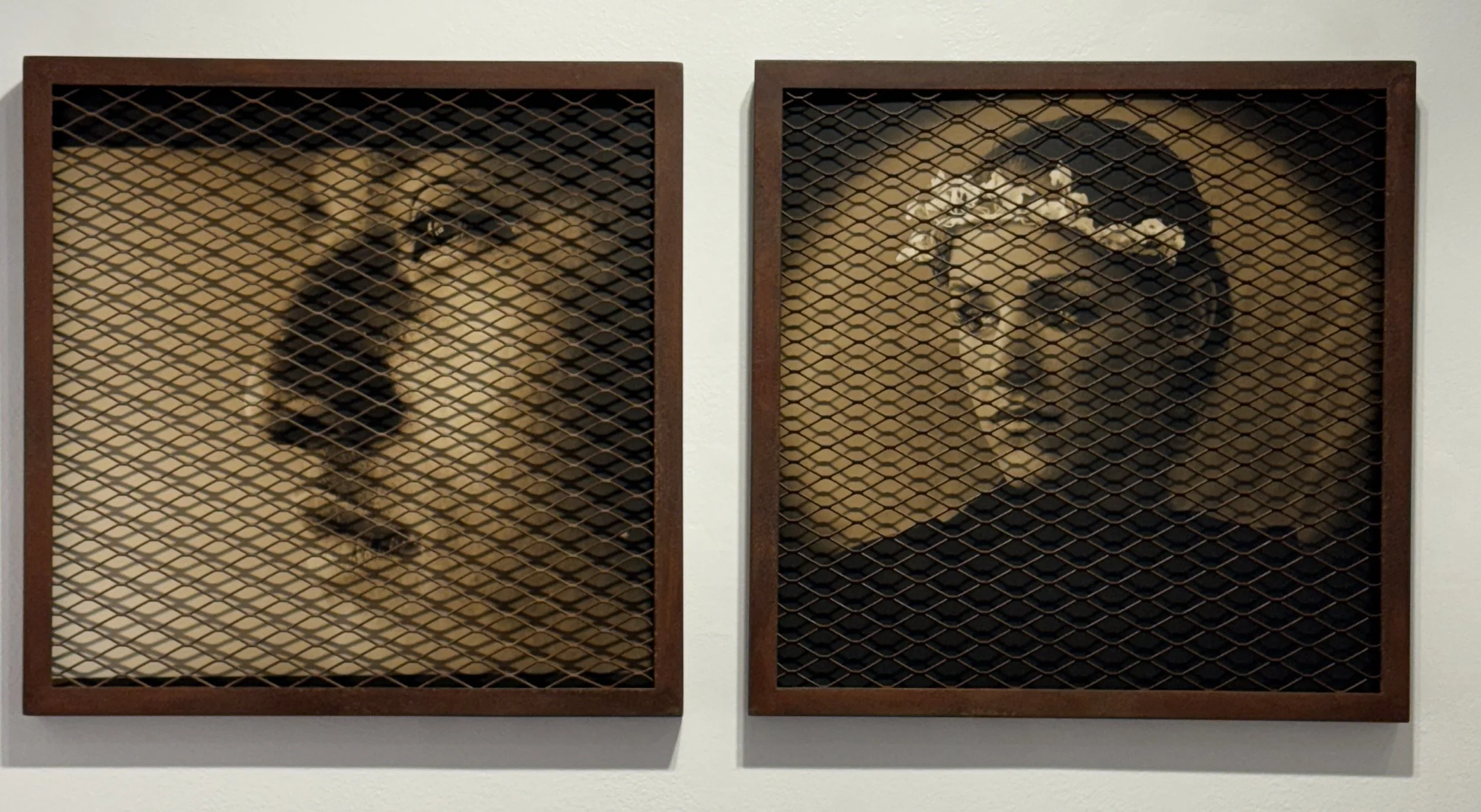
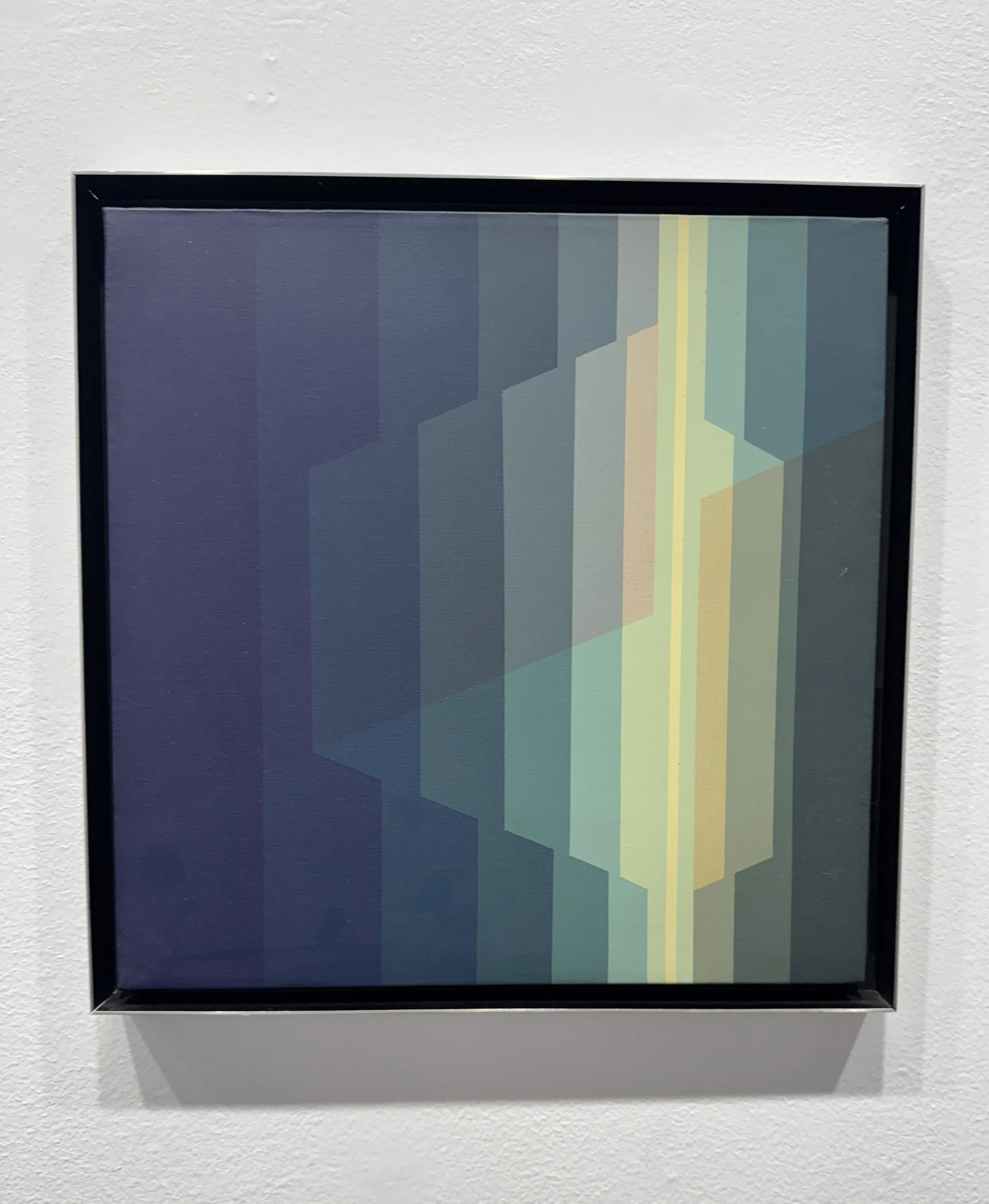
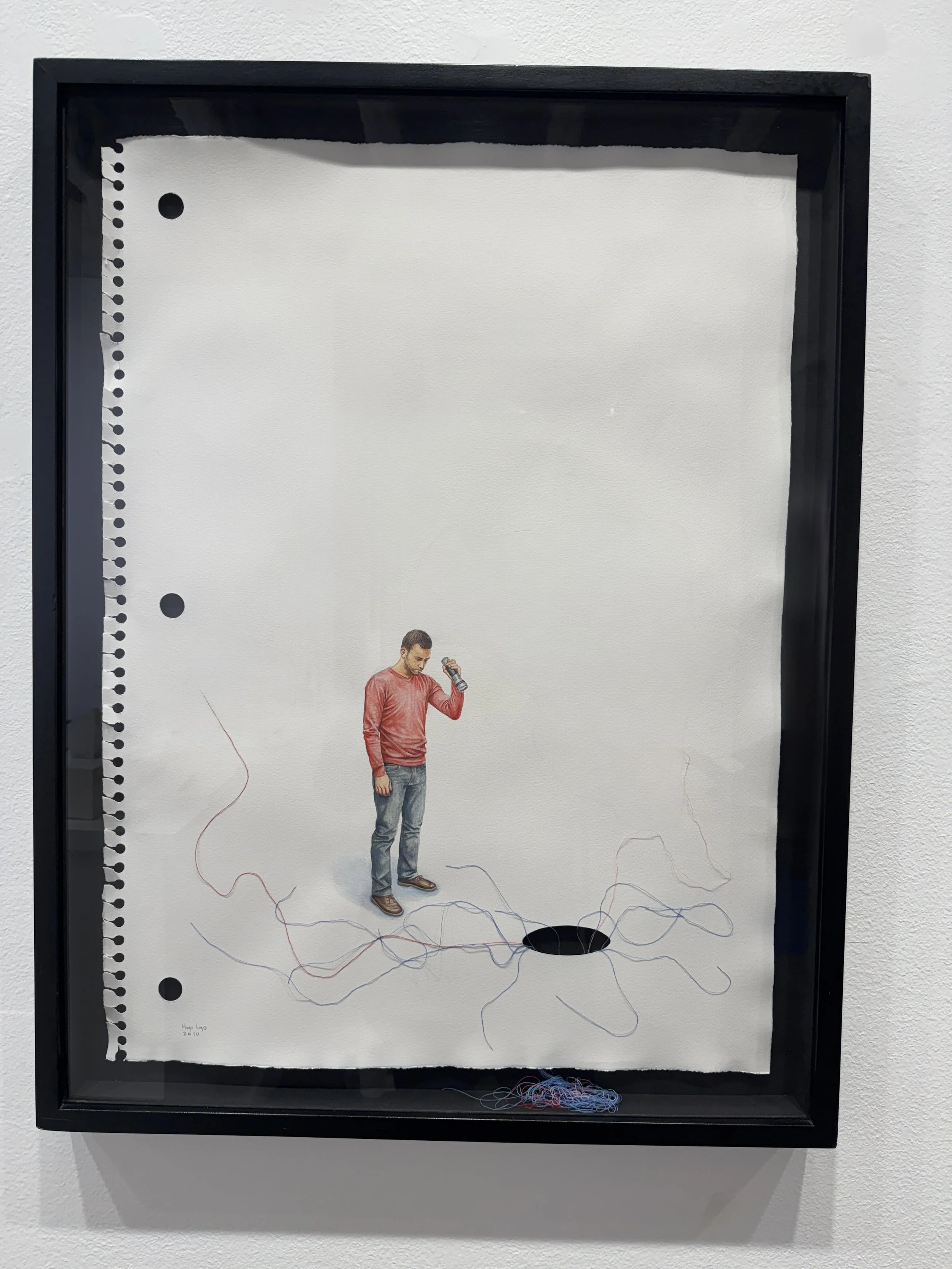
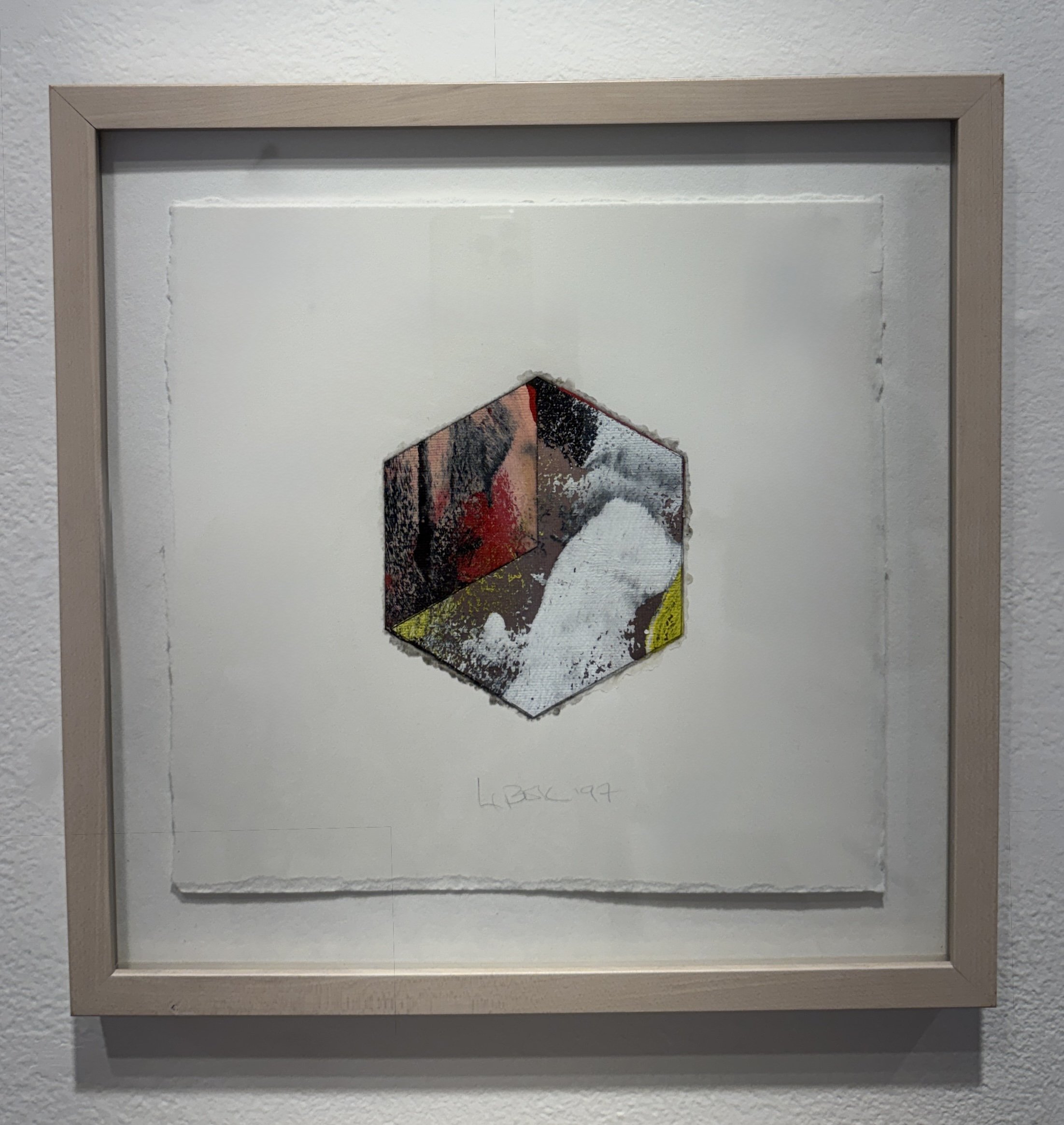
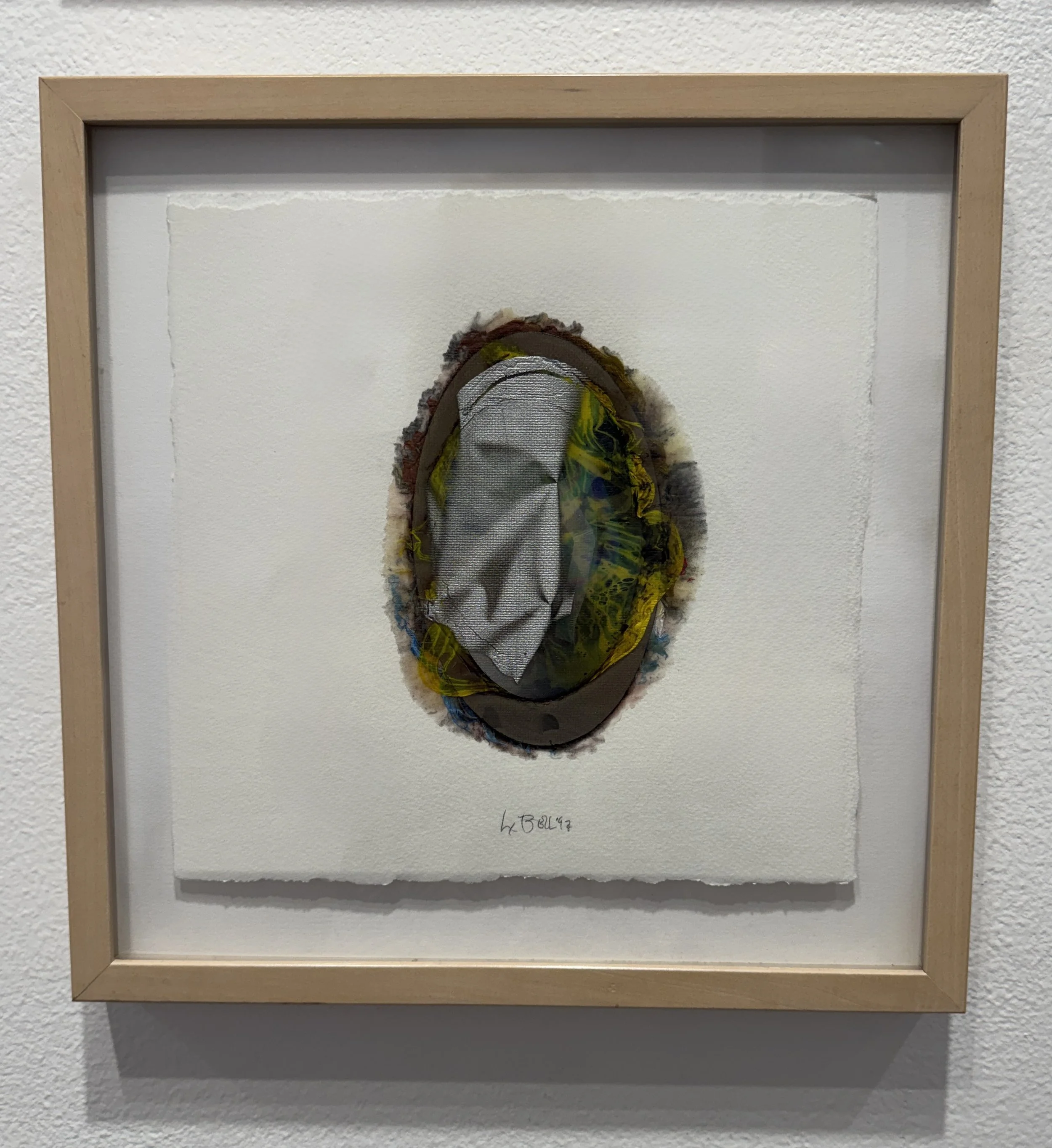
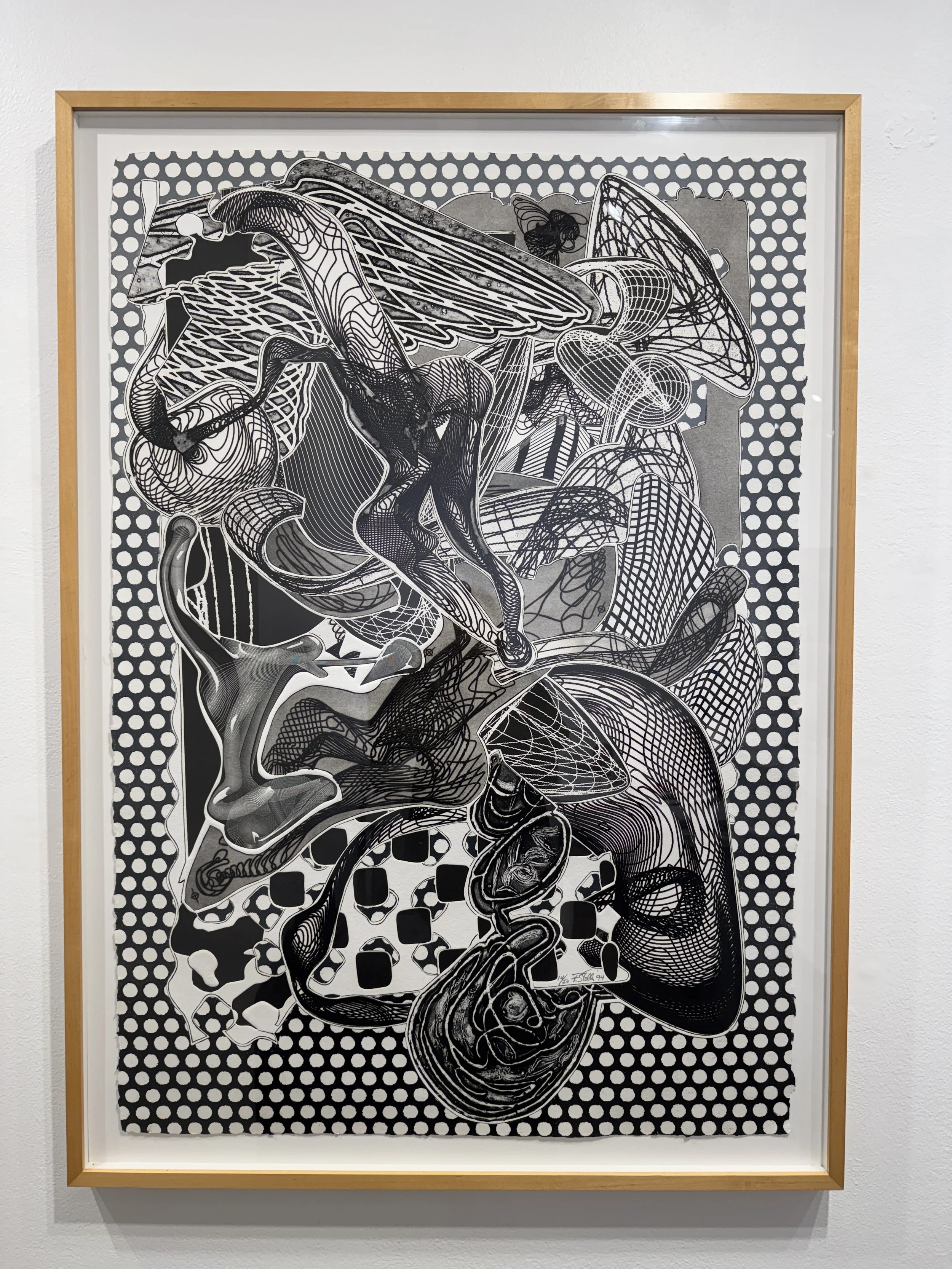
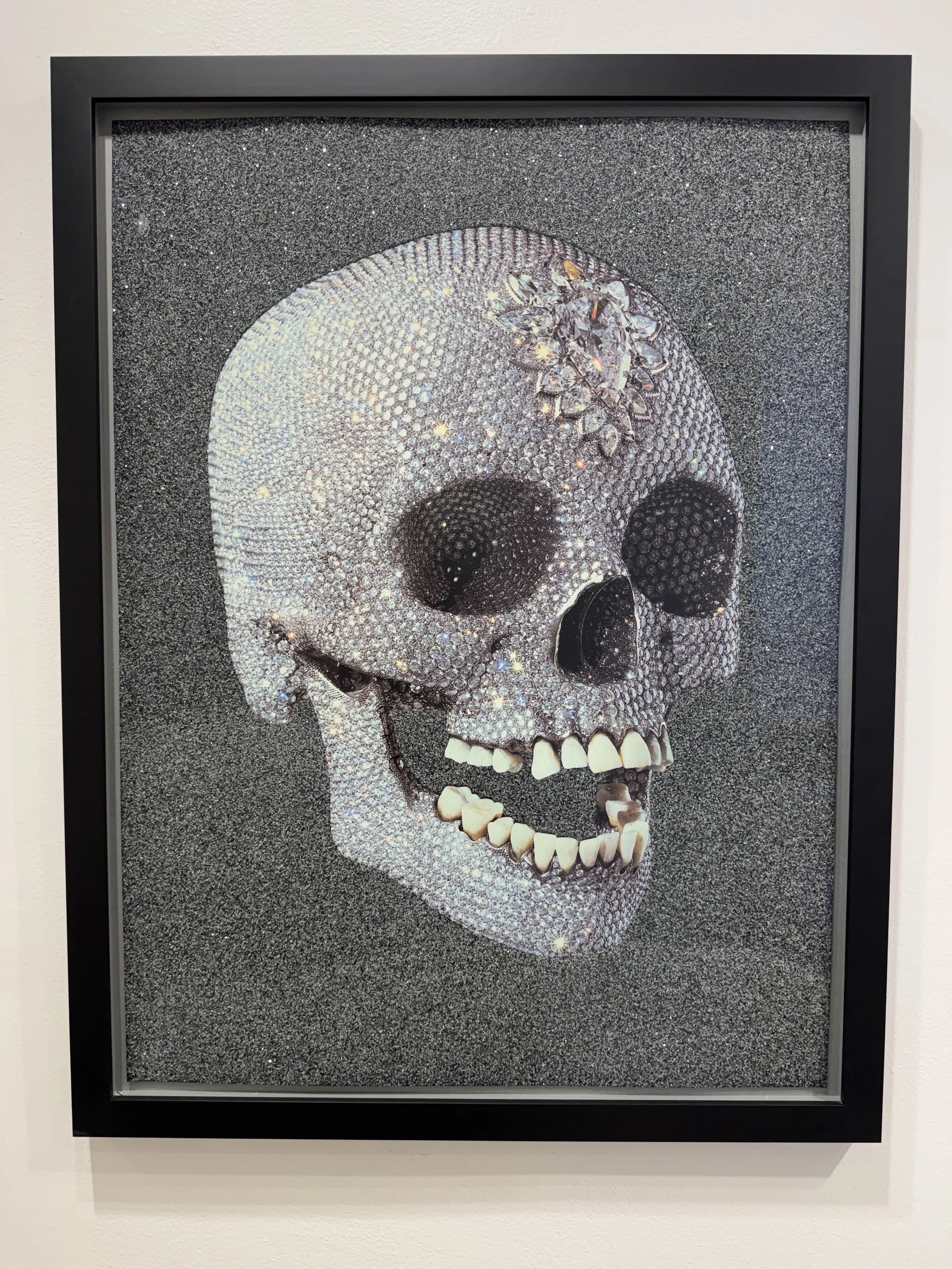
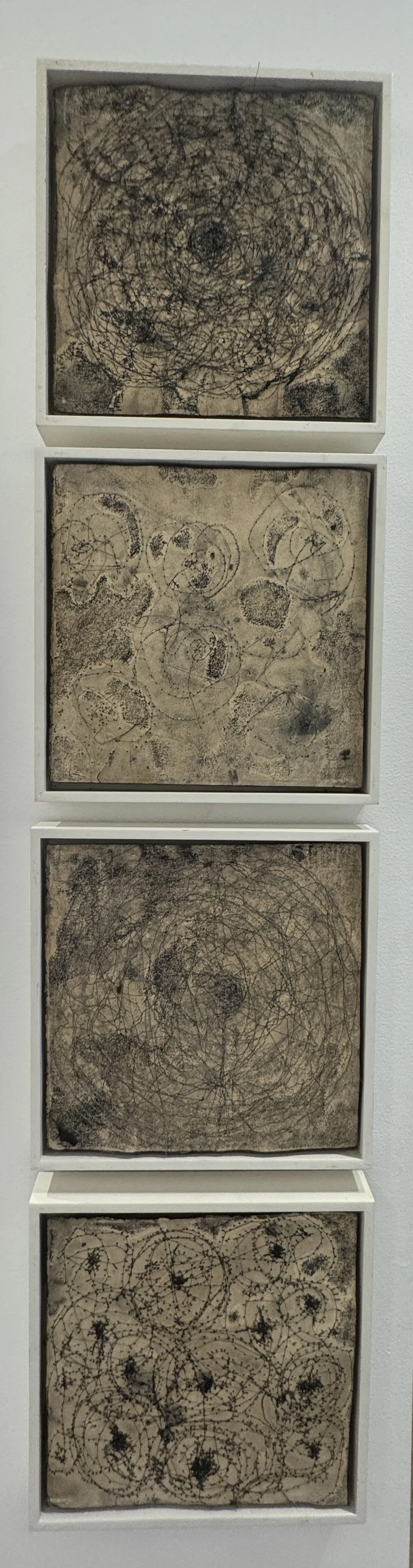
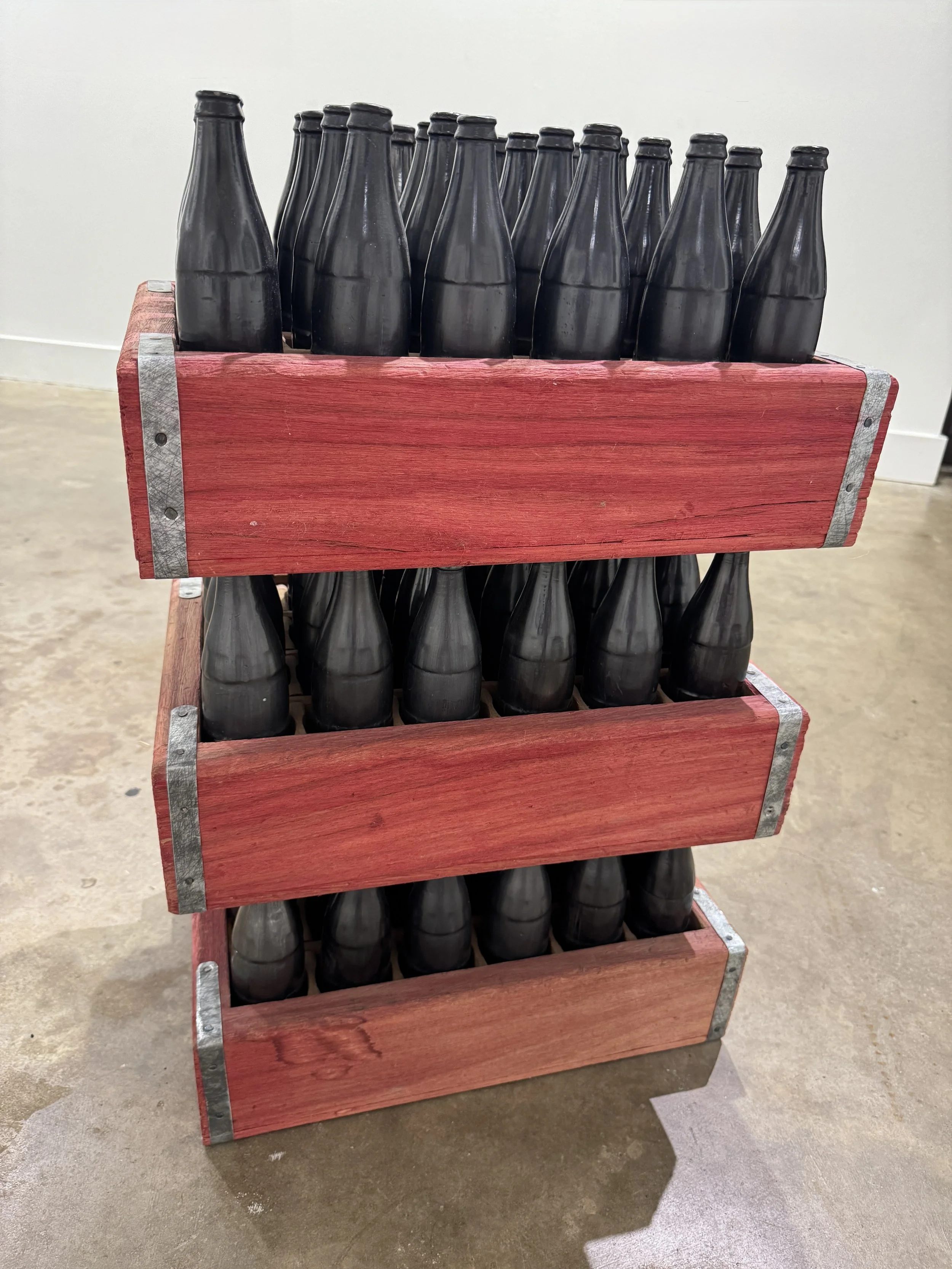
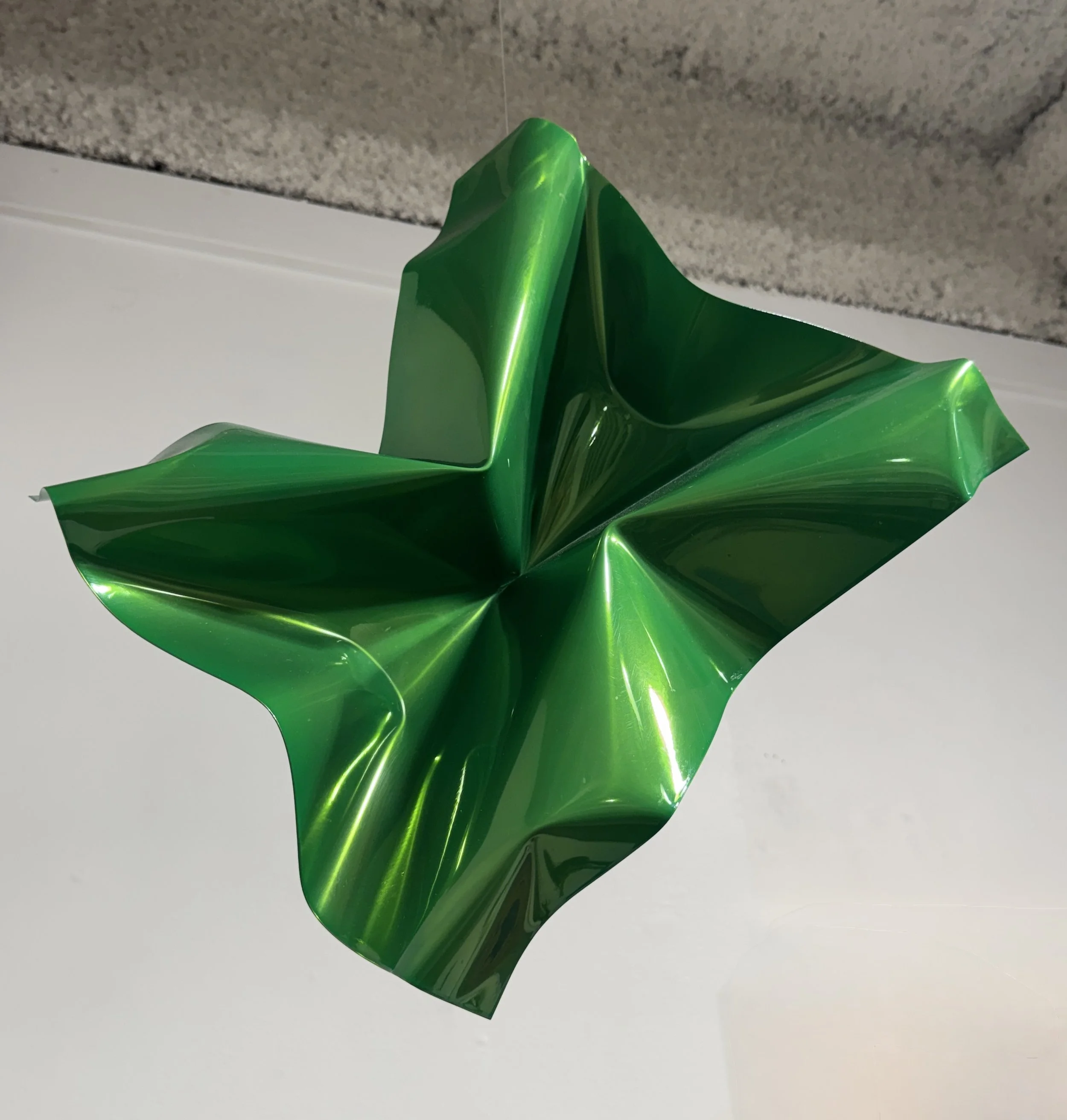
The exhibition and sale includes secondary market works of art by Latin American artists Guillermo Kuitca, Lucas Arruda, Eduardo Ramírez Villamizar, Paulo Monteiro, Adriano Costa, Humberto Márquez, Hugo Lugo, Aldo Chaparro, and Ary Brizzi, as well as objects by Kishio Suga, Larry Bell, and other blue chip artists.
Heidi Vaughan Fine Art has featured a secondary market summer art sale for years starting in 2019. Art collectors who have consigned art through the gallery in the past have included Lester Marks, Jereann Chaney, Don Sanders, David Brown, Leigh and Reggie Smith, Ron Logan, Andy Moran, Dr. William and Virginia Camfield, Bryn Larsen, Alton and Emily Steiner, Nancy and Bryant Hanley, and many others.
Art collectors are interested in the secondary market for many reasons, including because it offers opportunities to acquire important works validated by notable private collections and estates. While the secondary market is often the only option for collecting works by deceased artists, even for living artists, the best examples of their work may have been sold years earlier. Some collectors feel more comfortable purchasing a work whose significance has already been recognized by highly respected collectors, the art market, and museums, and a collector may find a museum-quality work on the secondary market that is superior to anything currently available from an artist's gallery. The secondary market also allows collectors to fill gaps and acquire works from periods that are no longer available through primary market galleries. Importantly, collectors can often find a good deal on the secondary market.
Collectors frequently enjoy owning works that were once part of celebrated collections because they become custodians of a continuing narrative. At the high end of the market, provenance can confer prestige, and collectors often appreciate owning a work from a celebrated patron of the arts. More than social status, it signals participation in a lineage of stewardship and connoisseurship. Notable provenance can create a premium that has a positive impact on future value. The provenance provides context, credibility, and continuity, linking the object to the people who recognized its importance before it arrived in the current collection.